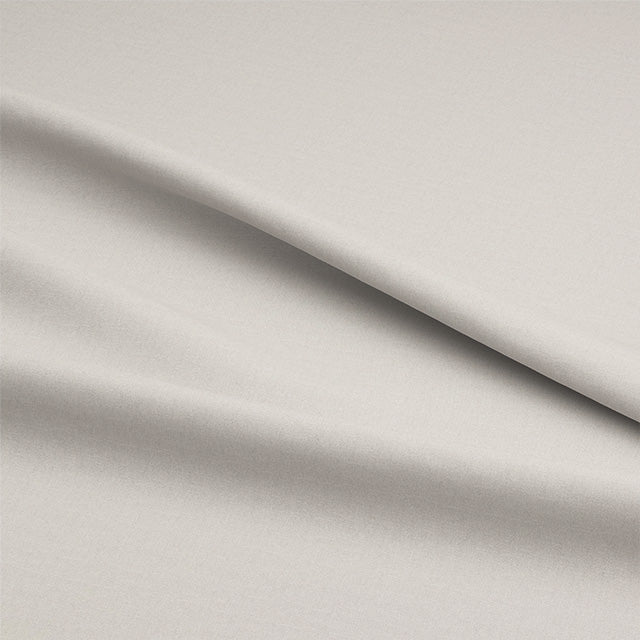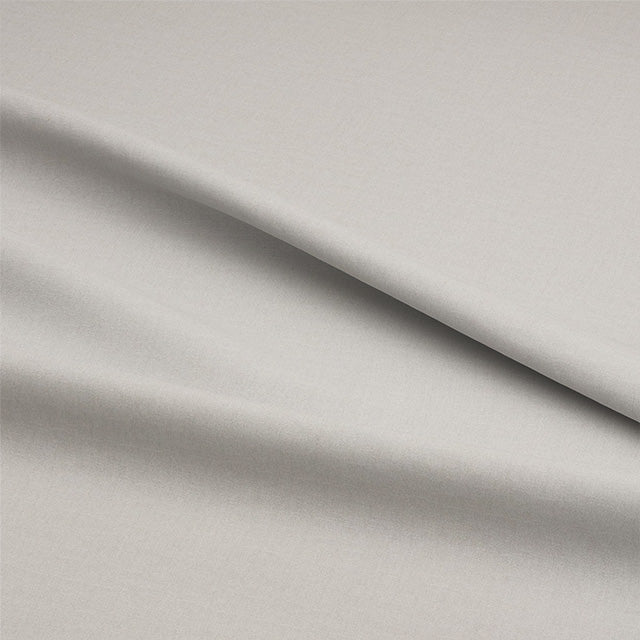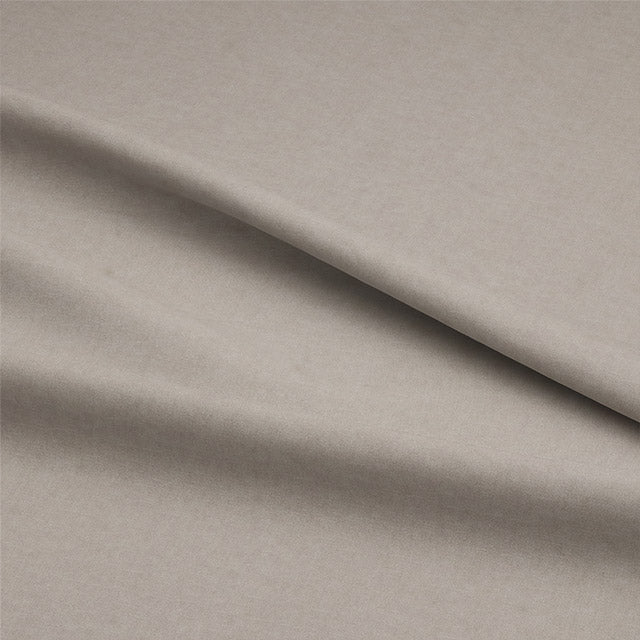

Linen curtain fabric is a strong choice for natural texture and relaxed drape, while cotton fabric is often chosen for clear printed colour and a smoother, more familiar handle. Neither fibre is automatically better: the best option depends on the weave, weight, finish, lining and the way the curtain or blind will be used.
Pure linen, cotton, linen union and blended furnishing fabrics can behave differently even when they look similar online. Check the exact composition and intended use for each product rather than applying one rule to every linen or cotton fabric.
Reviewed and updated by The Millshop Online fabric team: August 2026.
Linen versus cotton curtain fabric
| Feature | Linen curtain fabric | Cotton curtain fabric |
|---|---|---|
| Appearance | Natural texture with visible character | Often smoother with clear colour and print detail |
| Drape | Relaxed and softly structured | Varies from light and crisp to substantial |
| Creasing | Natural creasing is often part of the look | Can crease, depending on weave and finish |
| Printed designs | Print gains a tactile, natural basecloth | Often gives clean outlines and strong colour clarity |
| Roman blinds | Suitable when stable and not excessively loose | Suitable when the weight and construction hold neat folds |
| Care | Follow the exact product instructions | Follow the exact product instructions |
Browse linen curtain fabric and cotton fabric, then compare samples of similar weight and intended use.
What is linen curtain fabric like?
Linen is valued for its texture, movement and naturally varied surface. It can give curtains a softer, more relaxed character than a perfectly flat fabric. Printed linen and linen blends work particularly well with florals, leaves, birds, country patterns and heritage-inspired designs.
Natural slubs and minor variations may be part of the expected appearance rather than faults. Linen can crease, so customers who prefer a completely uniform finish may favour a blend or a more structured cotton-based furnishing fabric.
What is cotton fabric like for curtains?
Cotton is versatile and accepts printed colour clearly, making it useful for stripes, checks, florals, children's designs and graphic patterns. Its handle depends heavily on yarn, weave, weight and finish: one cotton can be lightweight and crisp, while another is a substantial furnishing fabric.
Do not assume cotton is automatically washable or suitable for upholstery. The product's care and intended-use information take priority over the fibre name.
What is linen union fabric?
Linen union is a furnishing term used for fabric combining linen with another fibre or yarn system. The exact composition varies by product, so check the percentages rather than assuming every linen union is the same.
A linen blend can retain visible natural texture while gaining a different handle, stability or price point. It can be an effective option for printed curtains, blinds and cushions when pure linen is not required.
Which fabric hangs better?
Linen often produces a relaxed drape with gentle movement. Cotton can create a crisper or more structured finish, but this depends on the weight and construction. A medium-weight linen blend may hang more firmly than a lightweight cotton, so fibre alone cannot predict the result.
Hold a sample vertically and form it into folds before ordering. Our fabric weight guide explains why GSM and construction should be considered alongside fibre.
Which is better for Roman blinds?
Both linen and cotton can work well for Roman blinds when the fabric is stable enough to form consistent folds. Medium-weight curtain fabrics are a practical starting point, but very loose, stretchy or bulky materials may be harder to control.
Pattern placement matters because the blind shows a flat panel when lowered. A large motif should be centred deliberately, while stripes and checks need accurate alignment. Confirm blind suitability and lining with the person making it.
Should linen and cotton curtains be lined?
Most full-length linen and cotton curtains benefit from lining. It can improve body, privacy and the appearance from outside the window while helping protect the face fabric.
Pale or open fabrics may show more light without lining. Blackout lining can be considered for bedrooms, while interlining creates a fuller and more substantial result. Use our curtain lining and interlining guide to compare the options.
Which is more durable?
Durability depends on construction and intended use, not simply linen versus cotton. A dense linen blend can be stronger than a light decorative cotton, while an upholstery-grade cotton can outperform a curtain-only linen in abrasion testing.
For curtains, consider handling, sunlight, lining and care. For furniture, begin with upholstery fabric whose product specification approves seating use. Do not use a curtain-only fabric for upholstery merely because the fibre sounds durable.
Which fabric is better for printed patterns?
Cotton often gives sharp edges and clear colour. Linen and linen blends add surface texture, which can soften the print and create a more natural, painterly appearance. The better option is a design choice rather than a quality ranking.
Large botanical, floral and art deco patterns benefit from enough curtain drop to show the repeat. Smaller checks and stripes suit compact windows and blinds. The curtain pattern guide provides a room-by-room starting point.
Linen or cotton by room
- Relaxed living room: linen or linen blend adds natural texture and movement.
- Bedroom: either fibre can work; prioritise opacity and the chosen lining.
- Kitchen or breakfast room: check care instructions, window position and distance from cooking or splashes.
- Children's room: cotton prints offer clear colour, while practical care and lining remain important.
- Formal dining room: a structured cotton or substantial printed linen can both create a polished result.
Care and shrinkage
Both linen and cotton can respond to moisture, heat and cleaning. A fabric sold by the metre may have care requirements that differ from a finished washable household textile. Never assume it can be machine washed because of its fibre composition.
Follow the product instructions and ensure face fabric and lining have compatible care. For made curtains or blinds, professional cleaning may be recommended to protect the construction and dimensions.
How to choose between linen and cotton
- Decide whether you prefer natural texture or a smoother printed finish.
- Check the fabric weight and hold a sample vertically to assess drape.
- Confirm the intended use for curtains, blinds, cushions or upholstery.
- Compare opacity and choose a suitable lining.
- Check fabric width and pattern repeat before calculating metreage.
- Read the care instructions for the exact product.
For the complete ordering process, see our curtain fabric buying guide.
Frequently asked questions
Does linen curtain fabric always crease?
Linen naturally develops creases and surface character, although blends and finishes can change the effect. Sample the product if a very uniform appearance is important.
Is cotton curtain fabric washable?
Not automatically. Washing suitability depends on the exact fabric, dyes, finish and construction. Follow the stated care guidance.
Is linen better for full-length curtains?
Linen can look beautiful across a long drop because its texture and movement are visible. Cotton can work equally well when its weight, pattern and heading suit the window.
Can the same linen or cotton be used for curtains and upholstery?
Only when the product specification approves both uses. Some designs are offered on separate curtain and upholstery basecloths, so select the correct version.
Choose linen for natural character and relaxed texture, or cotton for clear print and versatile styling—but make the final decision from the individual fabric's weight, construction, intended use, care and sample.