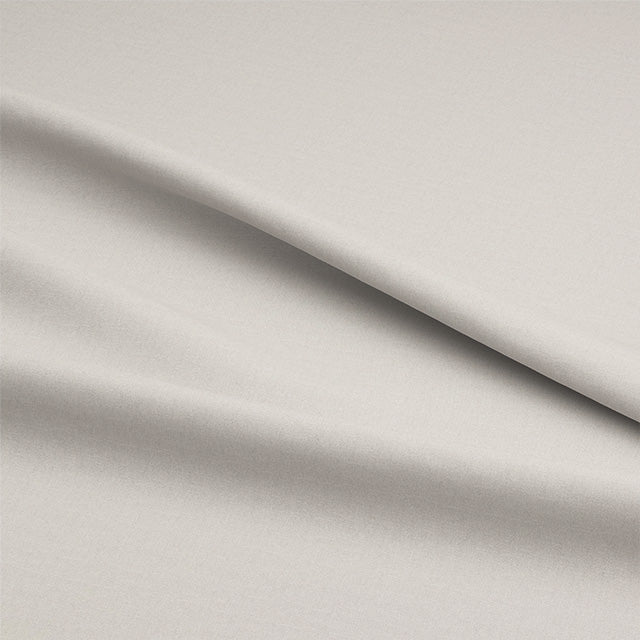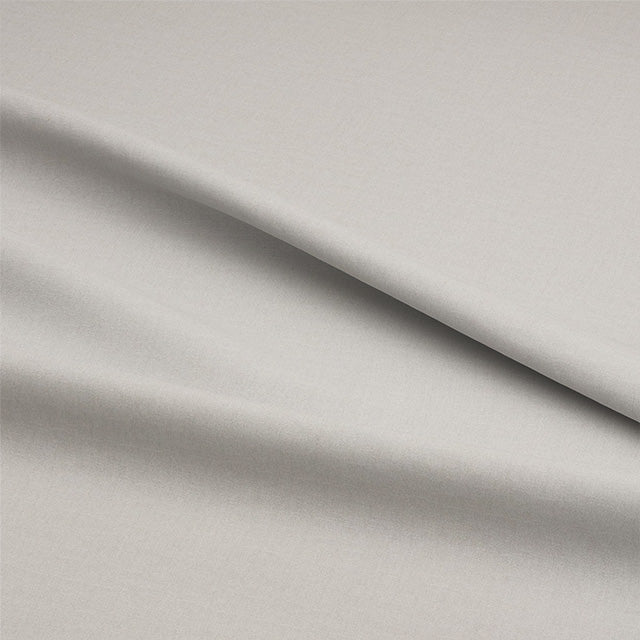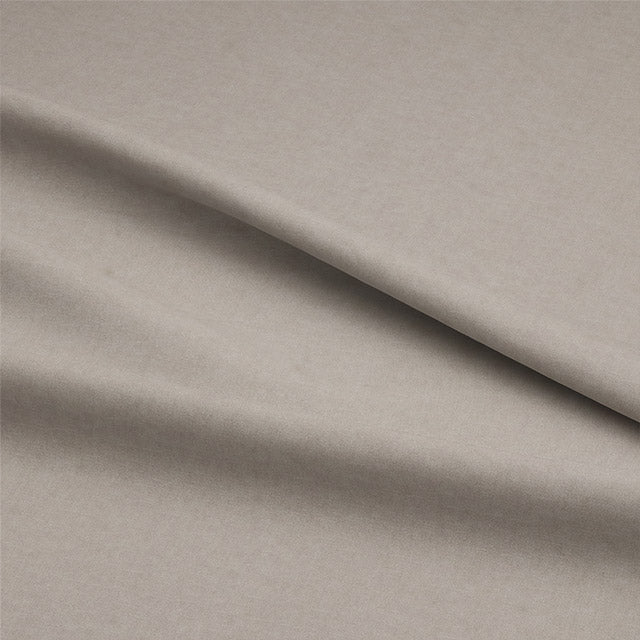

Velvet upholstery fabric is suitable for chairs, sofas, footstools and headboards when the individual product is upholstery grade and its durability matches the furniture. It offers a soft raised pile, rich colour and a distinctive change in tone as light moves across the surface.
The word velvet describes the surface and construction rather than a single performance level. One velvet may be intended for decorative cushions, while another has the stable base and Martindale result needed for frequently used seating. Always compare the exact product specification.
Reviewed and updated by The Millshop Online fabric team: August 2026.
Velvet upholstery fabric at a glance
| Quality | Benefit | What to consider |
|---|---|---|
| Raised pile | Soft, tactile surface | Pile direction and natural pressure marks |
| Colour depth | Rich appearance in changing light | View a sample in daylight and evening light |
| Printed or plain designs | Choice of statement pattern or block colour | Pattern scale and placement on the furniture |
| Upholstery-grade construction | Can suit domestic or heavier use | Check intended use and Martindale result |
Browse velvet upholstery fabric by the metre and check the listed uses, composition, width, rub count and care information together.
Is velvet good for upholstery?
Yes, when the product is specifically approved for upholstery. Suitable velvet can combine comfort with strong abrasion performance, making it much more practical than its luxurious appearance suggests.
Do not assume every velvet is hard-wearing. Decorative, dress or curtain-only velvet may not have the stable backing or tested performance needed for seating. Our Martindale rub test guide explains how abrasion results relate to occasional, domestic and contract use.
Best velvet for different furniture
| Furniture | What to prioritise | Design consideration |
|---|---|---|
| Dining chair | Stable upholstery velvet, rub count and cleaning guidance | Small or medium patterns are easier to repeat across a set |
| Family sofa | Comfort, sustained wear and care instructions | Mid tones and patterns can be more forgiving of everyday marks |
| Occasional chair | Handle and approved upholstery use | A bold print or jewel colour can become the room's focal point |
| Footstool | Resistance around the top and edges | Plan the pile direction across every panel |
| Headboard | Softness, colour and cleanability | Light changes can make the pile appear lighter or darker |
For a wider comparison of furniture requirements, use our upholstery fabric guide for sofas and dining chairs.
What is velvet pile direction?
The pile or nap is the direction in which the raised fibres naturally lie. Brushing the surface one way can make it look lighter, while viewing it in the opposite direction can make the colour appear deeper.
All panels on one piece of furniture should normally be planned with a consistent pile direction. Turning a panel to save fabric can leave one section looking like a different shade even though it came from the same roll. Confirm the cutting direction with the upholsterer before ordering.
Printed velvet versus plain velvet
- Printed velvet combines the depth of the pile with florals, leaves, birds, geometrics or art deco patterns. Check repeat, scale and placement before cutting.
- Plain velvet makes colour and texture the main feature. It coordinates easily with printed curtains and cushions but can show pressure and direction changes more clearly.
The print method or appearance does not establish durability. Use the specification for the exact basecloth and product.
Can velvet be used for curtains and blinds?
Some velvet products are approved for curtains as well as upholstery. They can create full, substantial curtains with strong colour depth. Because the finished treatment may be heavy, check the fabric handle, lining, heading and strength of the pole or track.
Roman blinds need stable fabric that will fold neatly without excessive bulk. Confirm blind suitability rather than assuming that every upholstery velvet will work at a window.
Advantages of velvet upholstery fabric
- Soft, comfortable handle.
- Rich colour and visible depth.
- Choice of plain and printed designs.
- Works well on statement furniture and smaller accent pieces.
- Some products offer high abrasion performance for demanding interiors.
Points to consider before choosing velvet
- The pile changes appearance according to direction and light.
- Pressure marks and shading are part of the character of many velvets.
- Care instructions vary by fibre, construction and finish.
- Strong sunlight can affect colour over time.
- Large patterns require careful placement and additional metreage.
- Pet claws and rough fastenings can snag some surfaces even where the rub count is high.
How to care for velvet upholstery
- Vacuum gently using a clean upholstery attachment and low suction where appropriate.
- Follow the pile direction rather than brushing repeatedly against it.
- Blot spills promptly with a clean, absorbent cloth; do not rub the mark into the pile.
- Do not apply a general upholstery cleaner unless it is approved by the fabric's care guidance.
- Protect the furniture from prolonged intense sunlight where practical.
- Use a professional upholstery cleaner when the supplier recommends it.
Fabric protection is not the same as waterproofing and must be compatible with the particular velvet. Read our soil and stain-resistant treatment guide before adding any treatment.
How to choose a velvet colour
Blue velvet can feel classic, green adds natural depth, while pink, ochre and multicoloured designs create a stronger statement. The raised pile reflects light differently across the surface, so online images cannot show every variation.
Order a sample and view it vertically in the room. Turn it through 180 degrees to see how the pile direction changes the colour, then compare it with paint, flooring, curtains and existing furniture.
Velvet upholstery buying checklist
- Confirm the product is approved for the intended furniture.
- Check the Martindale result and care information.
- Plan a consistent pile direction.
- Allow for pattern repeat and placement where printed.
- Check curtain or blind suitability separately if coordinating a room.
- Order a sample and view it in different light.
Frequently asked questions
Is velvet durable enough for a sofa?
It can be. Choose upholstery-grade velvet whose intended use and Martindale result suit regular sofa use. The word velvet alone does not confirm durability.
Why does velvet look like two different colours?
The pile reflects light differently depending on its direction. Panels cut in opposing directions can therefore appear lighter or darker.
Does velvet mark easily?
Many velvets show temporary pressure shading or pile movement. This is different from abrasion damage and is often part of the fabric's character.
Can velvet be stain treated?
Some products can, but compatibility depends on the construction and finish. Check before treating, especially with printed or fire-retardant velvet.
Velvet upholstery fabric works best when its beauty and practical specification are considered together. Choose by intended use and rub count, plan the pile direction carefully and sample the fabric in the room before ordering the full length.